As an integrative nutrition health and wellness coach, I often speak with women navigating the significant hormonal shifts that come with perimenopause and menopause. It’s a time of profound change, and the topic of Hormone Replacement Therapy (HRT) frequently arises. While HRT can be a helpful tool for some, it’s crucial to approach this decision with a comprehensive understanding that extends beyond medication alone. Before you consider HRT, let’s discuss HRT and what vital lifestyle factors you can implement to support you during this time:
REMEMBER:
HRT isn’t a one-size-fits-all solution, it must take into account your lifestyle and your bio-individuality. What works wonders for one woman may not be the right choice for another.
Your unique biological makeup, health history, symptoms, and lifestyle play a significant role in determining if HRT is appropriate for you.
UNDERSTAND:
There are different types of HRT. From systemic estrogen and progestin to localized vaginal estrogen, various formulations and delivery methods exist. Each has its own set of benefits and potential risks.
BE AWARE:
Learn the potential risks and benefits from your health care provider. While HRT can effectively alleviate symptoms like hot flashes, night sweats, and vaginal dryness, it also carries potential risks, such as an increased risk of blood clots, stroke, and certain types of cancer. A thorough discussion with your doctor is essential to weigh these factors.
Here are some Lifestyle Factors and Changes you can implement:
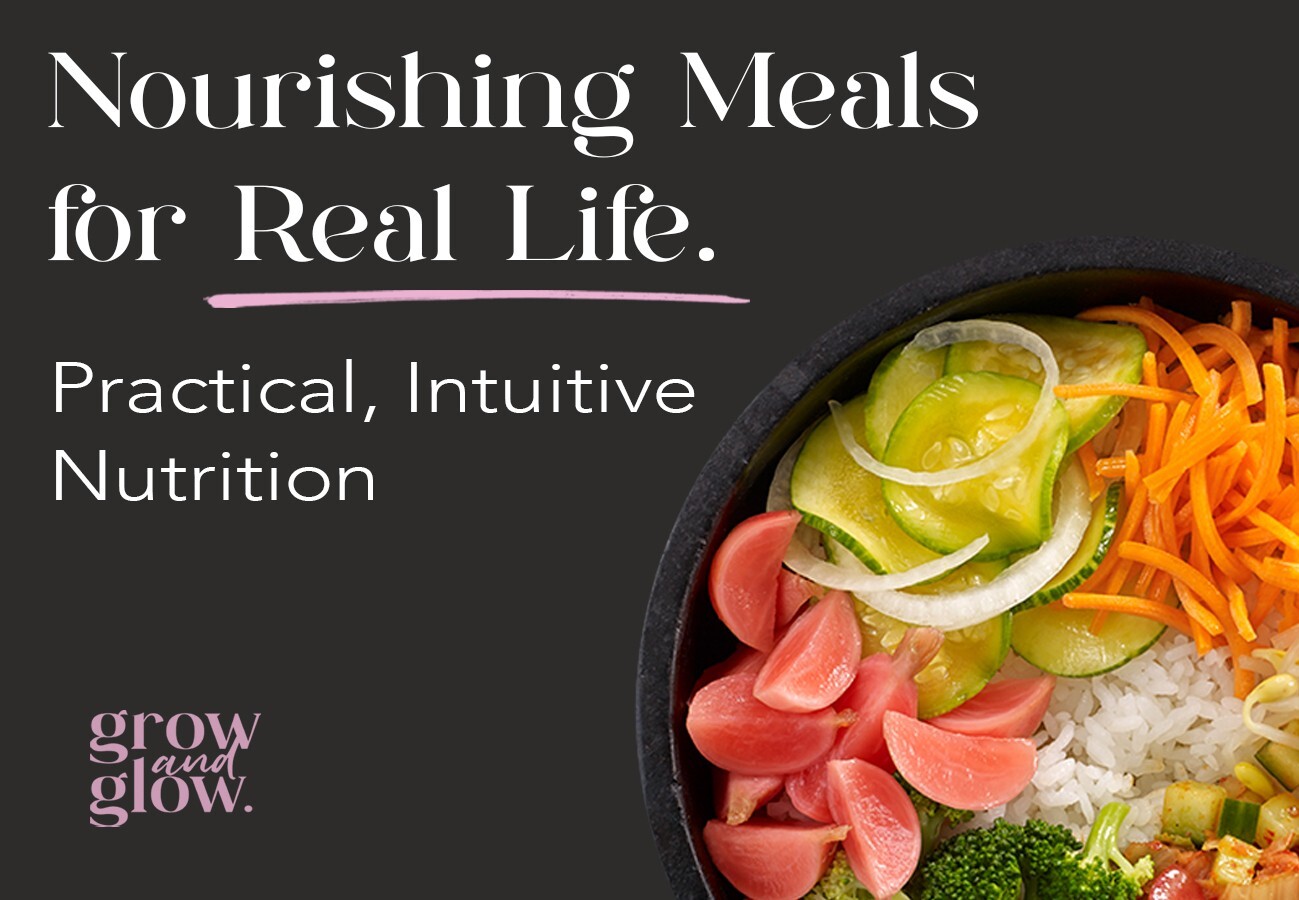
– Nutrition is foundational. Nourishing your body with a whole-foods diet rich in fruits, vegetables, lean proteins, and healthy fats is crucial during this hormonal transition. Focus on foods that support hormone balance, gut health, and bone density. Limit processed foods, sugar, and excessive caffeine and alcohol, which can exacerbate symptoms.
– Hydration is key for overall well-being. Adequate water and mineral intake support energy levels, skin health, and can even help regulate body temperature. Aim for consistent hydration throughout the day.
– Exercise offers multifaceted benefits. Regular physical activity, including both cardiovascular exercise and strength training, can improve mood, sleep, bone health, and help manage weight fluctuations common during this phase. Find activities you enjoy and make them a consistent part of your routine.
– Supplements can play a supportive role. While a nutrient-dense diet should be your priority, certain supplements like vitamin D, calcium, magnesium, and omega-3 fatty acids may be beneficial for some women. Always discuss supplement use with a healthcare professional to ensure safety and efficacy.
– Prioritize quality sleep. Hormonal shifts can disrupt sleep patterns. Establish a consistent sleep schedule, create a relaxing bedtime routine, and optimize your sleep environment to support restorative sleep. Aim for 7-9 hours of quality sleep each night.
– Effective stress management is essential. Perimenopause and menopause can be emotionally challenging. Incorporate stress-reducing practices like mindfulness, yoga, deep breathing exercises, or spending time in nature. Chronic stress can worsen symptoms and impact overall well-being.
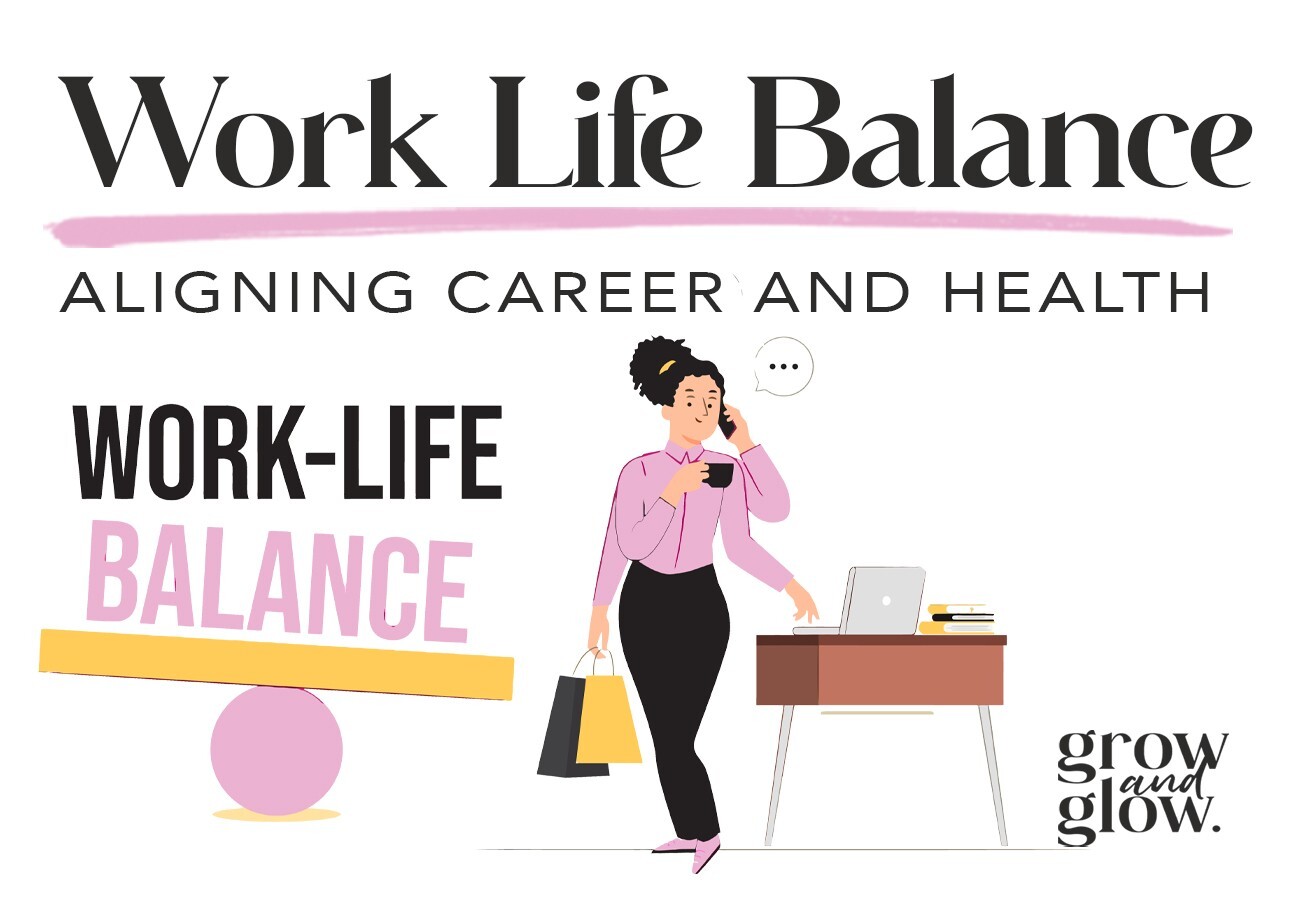
– Nurture your relationships and navigate your professional life with awareness. Strong social connections provide emotional support during this transition. Be open with loved ones about what you’re experiencing. In your professional life, communicate your needs if necessary and seek supportive networks. Understand that hormonal changes can sometimes impact energy levels and focus, so be patient with yourself and explore strategies for maintaining productivity and well-being at work.
Do you need a partner to make these lifestyle changes?
You have the power to make positive changes in your life and in your lifestyle. I’m here to support you and coach you in taking those empowering steps.