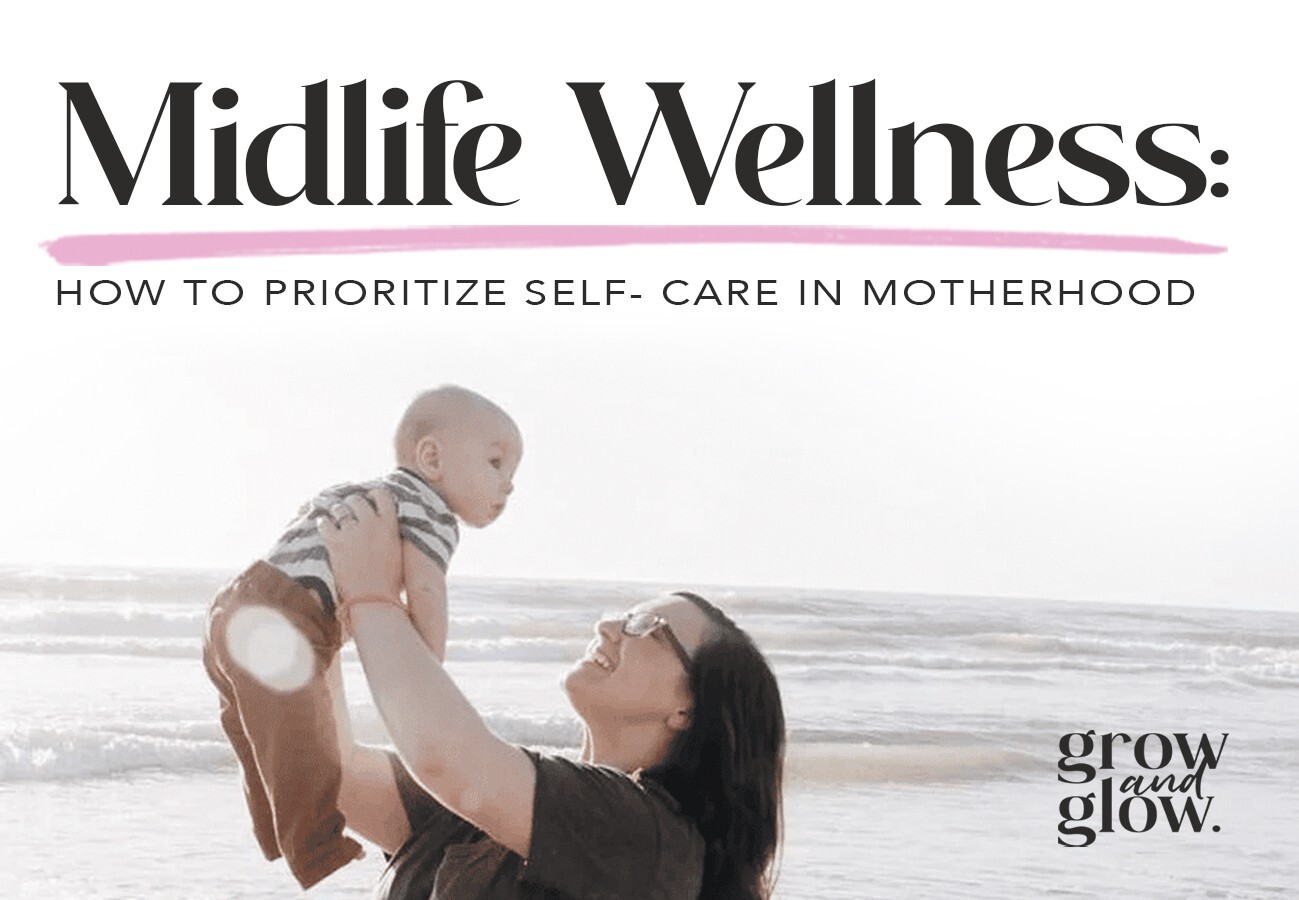
Motherhood in midlife comes with its own unique set of challenges, especially as children grow and prepare to leave the nest. While this stage can be deeply fulfilling, it also presents an opportunity for mothers to focus on themselves—something many have neglected in the hustle and bustle of raising children.
In this post, I’ll explore how mothers can prioritize self-care during midlife, even when life feels overwhelming. I’ll also share strategies for balancing the emotional, physical, and mental aspects of self-care to help mothers navigate this transformative phase of life.
Understanding the Shifts in Motherhood
As children grow, mothers often find themselves facing major changes. Kids become more independent, and many are preparing to leave home for college or to begin their own journeys. These transitions can create a feeling of loss, confusion, or even a sense of identity crisis. It’s natural to feel like you’ve lost touch with who you are outside of being a mom.
Why Self-Care is Essential in Midlife
During this phase, it’s easy for mothers to put themselves last on the priority list. The truth is, however, that you cannot pour from an empty cup. Self-care is not just a luxury—it’s a necessity. Prioritizing your well-being helps you stay grounded, healthy, and emotionally resilient. It’s also an act of modeling healthy behaviors for your children as they transition into adulthood.
Physical Self-Care: Nourishing Your Body
As we enter midlife, it’s crucial to pay attention to our physical health. Hormonal shifts, changes in metabolism, and the stresses of daily life can impact your energy levels and overall health.
To prioritize physical self-care, consider:
– Eating nourishing, whole foods that support your body’s changing needs
– Incorporating gentle movement such as yoga, walking, or strength training to keep your body strong and flexible
– Ensuring you get enough rest and quality sleep to recharge
Emotional Self-Care: Navigating the Emotional Rollercoaster
Motherhood in midlife can be emotionally complex. The transition into a new phase of life often comes with mixed feelings: pride, sadness, joy, and a sense of loss. It’s important to give yourself permission to feel these emotions without judgment. To support your emotional well-being:
– Practice mindfulness or meditation to stay present and grounded
– Set boundaries to protect your time and energy
– Seek support from a therapist, coach, or community to navigate the emotional transitions
Mental Self-Care: Rediscovering Your Sense of Self
When children are young, much of your identity revolves around being a mother. As they become more independent, it’s an opportunity to rediscover yourself. What did you love before motherhood? What are your passions, interests, and goals outside of raising children?
To prioritize mental self-care, try:
– Pursuing a hobby or passion project that brings you joy
– Reconnecting with old friends or making new connections
– Setting personal goals that reflect your evolving interests and dreams
Creating Time for Yourself
Finding time for yourself as a mother can be challenging, but it’s important to carve out moments to rest, recharge, and reflect. Even small moments of self-care—like taking a warm bath, reading a book, or enjoying a cup of tea—can make a big difference.
Start by setting aside time each day for your own well-being. Remember, you deserve it.
Embracing the Transition
The transition from active parenting to a more independent role can be difficult, but it’s also an opportunity for growth. By prioritizing self-care during this time, you can approach this next chapter of life with renewed energy and purpose. Embrace the changes, and remember that self-care is not selfish—it’s essential for your own health and happiness.
Motherhood is a lifelong journey, and taking care of yourself ensures that you’re able to show up as the best version of yourself, no matter what phase you’re in.
Give yourself permission to prioritize your health and well-being as you transition into this exciting new chapter of life.